By Luca · Kid On Court
Buying a basketball should be simple, but the different sizes can make it confusing.
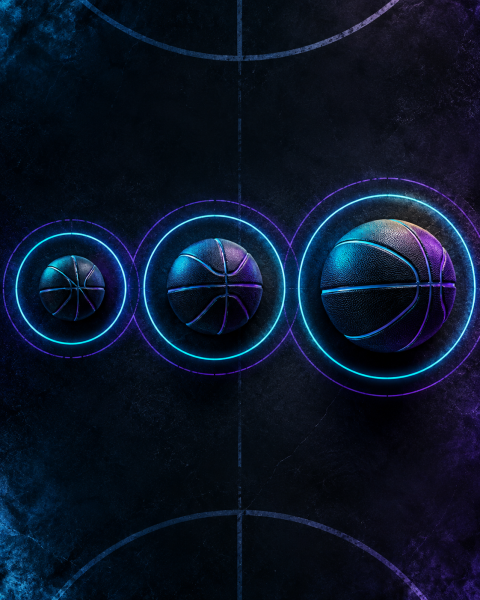
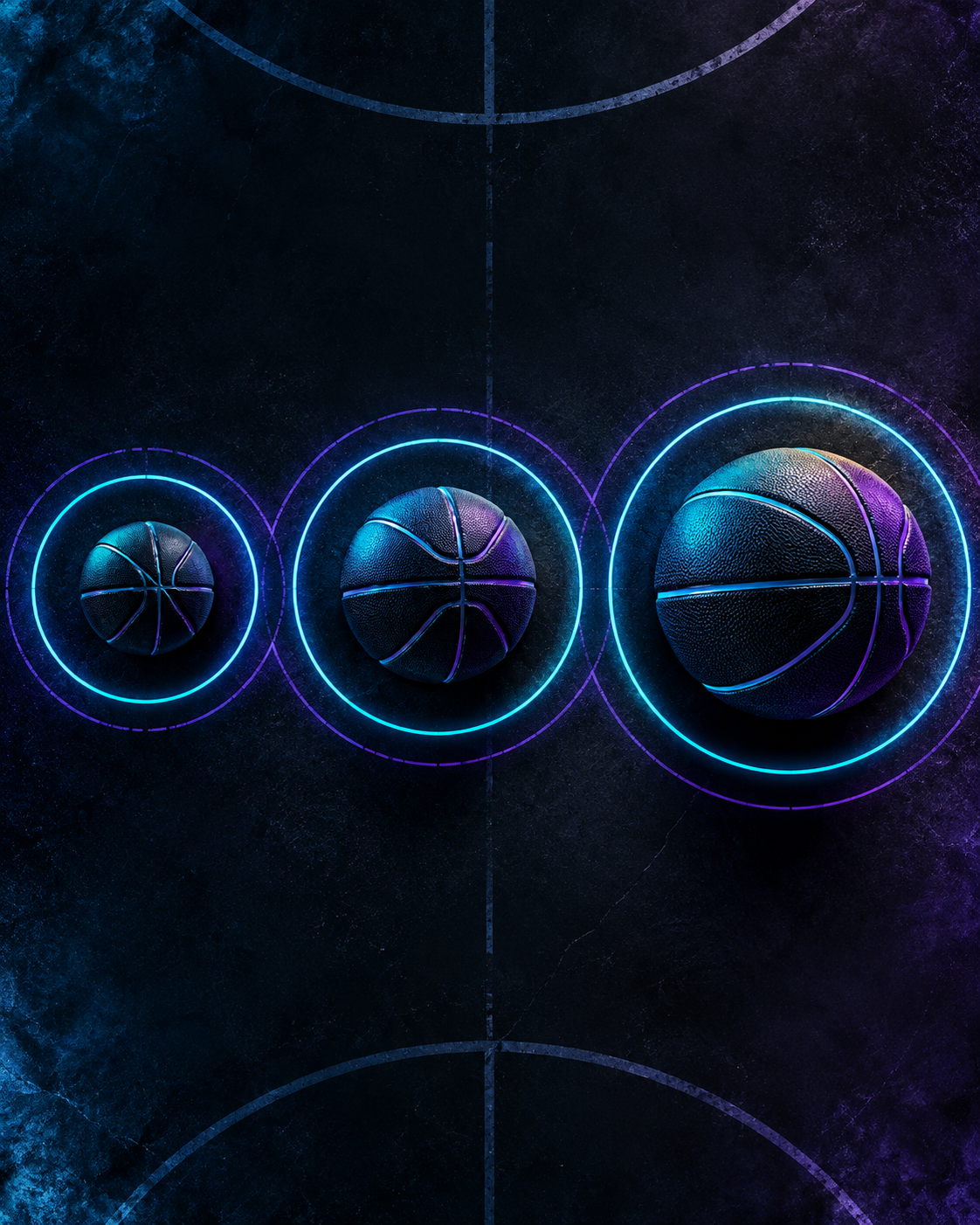
The short answer is that younger junior players commonly use a size 5 basketball, female players generally progress to a size 6, and older male players generally use a size 7. Some junior boys also use a size 6 before moving to the full men’s size.
The exact age for changing sizes can vary between basketball associations and competitions, so always check your child’s club rules before buying a ball for team training or games.
Basketball sizes at a glance
| Basketball size | Common use in Australia |
|---|---|
| Size 3 or 4 | Very young children, mini hoops and early skill play |
| Size 5 | Younger junior players and many under-12 competitions |
| Size 6 | Women’s basketball, girls’ competitions and some junior boys’ age groups |
| Size 7 | Men’s basketball and older boys’ competitions |
This is a general guide, not a universal competition rule. Clubs and associations sometimes introduce sizes at different ages.
Why using the right basketball size matters
A ball that is too large or heavy can make basketball harder than it needs to be.
Young players may struggle to control it, pass accurately or shoot with a natural movement. They can start throwing the ball towards the hoop with both hands or changing their technique just to reach the basket.
A correctly sized ball is easier to grip and control. It lets a player concentrate on learning proper dribbling, passing and shooting habits.
The goal is not to move a child onto a larger basketball as quickly as possible. It is to use the size that helps them learn and matches the rules of their program.
Size 5 basketballs
A size 5 is commonly used by younger junior players. It is smaller and lighter than an adult basketball, making it easier for children to handle.
Many Australian under-12 competitions use a size 5, but this is not the same everywhere. Some associations move certain age groups to a size 6 earlier than others.
A size 5 is usually a good starting point for a primary-school-aged child joining a beginner program, but confirm the program requirements before purchasing.
Size 6 basketballs
A size 6 is the standard full-size ball used in women’s basketball. It is also used in girls’ junior competitions and by some junior boys before they move to a size 7.
This is where parents can get confused because the age change is not always identical across clubs. One competition might introduce a size 6 at a different age from another.
If your child is entering a new age group, ask the club which ball will be used that season.
Size 7 basketballs
A size 7 is the standard full-size men’s basketball. It is generally used by older boys and adult men.
Moving to a size 7 can take some adjustment because it is larger and heavier. Players should keep focusing on control and shooting technique instead of trying to force long shots before they are comfortable with the new size.
What about size 3 and size 4 basketballs?
Smaller basketballs can be useful for very young children playing at home or using a mini hoop.
They are easier for small hands to grip, but they are not normally the ball a child will continue using in organised junior competition. Ask the beginner program whether it supplies basketballs before buying one.
Check your child’s program before you buy
Before choosing a basketball, ask:
- What size does this age group use?
- Are basketballs supplied at training?
- Does my child need to bring their own ball?
- Will the same size be used next season?
- Are they playing mainly indoors or outdoors?
The official Basketball Australia website and your state association can help you find programs, but the local club is the best place to confirm its competition rules.
Indoor, outdoor or all-surface basketball?
Size is only one part of choosing a basketball. You also need to think about where it will be used.
Indoor basketballs
Indoor basketballs are designed for smooth timber courts. They usually have a softer feel and should not be used regularly on rough concrete because the surface can wear quickly.
Outdoor basketballs
Outdoor basketballs use tougher materials that can handle concrete and outdoor courts. They can feel firmer, but they are normally the better choice for driveways and public courts.
All-surface basketballs
An all-surface ball can be useful if your child practises both indoors and outdoors. If they play organised games, they may still prefer to practise with a ball that feels similar to the one used by their team.
My simple advice
Do not choose a basketball just because it is the biggest one or because an NBA player uses that size.
Choose the ball that matches your child’s current program and allows them to practise with good control. If you are unsure, ask the coach before spending money.
The right basketball will not instantly make someone a better player, but it can make learning the basics much easier.
Frequently asked questions
What size basketball should a 10-year-old use?
Many 10-year-old players use a size 5 basketball in Australian junior programs. Some competitions may use a different size, so parents should confirm with the child’s club or association.
What size basketball do girls use?
Female players generally progress to a size 6 basketball, which is the standard ball used in women’s basketball. Younger girls may begin with a size 5 depending on their age and competition.
What size basketball do teenage boys use?
Junior boys may use a size 6 before progressing to a size 7. The changeover age varies, so check the rules of the competition in which the teenager will play.
Should I buy an indoor or outdoor basketball?
Choose according to where the ball will be used most. Outdoor balls are designed for rough surfaces, while indoor balls suit smooth indoor courts.
Next: Prepare for your first training session or find the right club.